
Introduction
Acquiring customers should be every company’s priority. However, to identify the potential customers, money, time, and effort need to be involved. In B2B commerce, there is a need to find potential prospective companies that might be interested in buying the products or services being offered.
However, sometimes it can be a problem to find the necessary person to reach. One may contact a company numerous times while not receiving a reply because one is not communicating with the person in charge of decision-making.
B2B Prospecting Strategies step in at this point. Using such strategies helps businesses identify prospects, better understand their needs, and communicate with the decision-makers. Thus, rather than addressing everyone at random and hoping for a response, a business should communicate with the right people, which greatly increases the chances of getting a new customer.
This paper provides information about how to find the decision-maker, get in touch with them, and make the process of prospecting more efficient.
What Is B2B Prospecting?
B2B prospecting is the practice of identifying potential customers who might benefit from your goods or services. The acronym B2B stands for business-to-business; meaning one company sells its goods or services to another organization.
For instance, a company that provides web design services may look for small businesses that might need new websites. A company that gives HR consulting may try to locate companies looking for hiring solutions.
The primary aim of B2B prospecting is to locate the appropriate companies and connect with who can make the purchasing choices. The process is beneficial for sales teams as they can come up with a list of targeted prospects and enter into productive business discussions.
Why Is It Important to Find the Right Decision-Makers?
Finding the right people is important for business growth. Every company has employees with different jobs. Some handle daily work, while others decide which products or services to buy. BitWide helps businesses reach the right people, share their services, and connect with people who can make buying decisions. This makes it easier to find new clients and grow a business.
Saves Time and Effort
Contacting the wrong person can waste time. For example, if you are selling marketing services, sending your offer to someone who does not handle marketing decisions may not bring good results.
Finding the right person helps you avoid unnecessary calls and emails. Your sales team can spend more time talking to people who have the power to make decisions.
Helps Build Better Business Relationships
Good business relationships start with the right conversations. When you understand a person’s role and business needs, you can share information that is useful to them.
This helps build trust and makes it easier to create long-term business relationships. People are more likely to respond when they feel that you understand their problems.
Increases Sales Opportunities
Reaching the right decision-maker makes it easier to explain how your product or service can help a company. You can discuss its needs, answer questions, and share useful solutions.
This can improve your chances of getting new clients and growing your business.
Top B2B Prospecting Strategies to Find Decision-Makers
Finding the right people requires a clear plan. Businesses can use different online and offline methods to find potential clients and connect with them.
1. Identify Your Ideal Customer
Before looking for decision-makers, you should understand what type of business you want to reach. Not every company will need your products or services.
Start by identifying your target industry, company size, location, and business type. For example, if you provide software for healthcare companies, focus on hospitals, clinics, and other healthcare businesses.
You should also understand the common problems your ideal customers face. This will help you find companies that may benefit from your services.
Having a clear idea of your ideal customer makes your search easier and helps you focus on better sales opportunities.
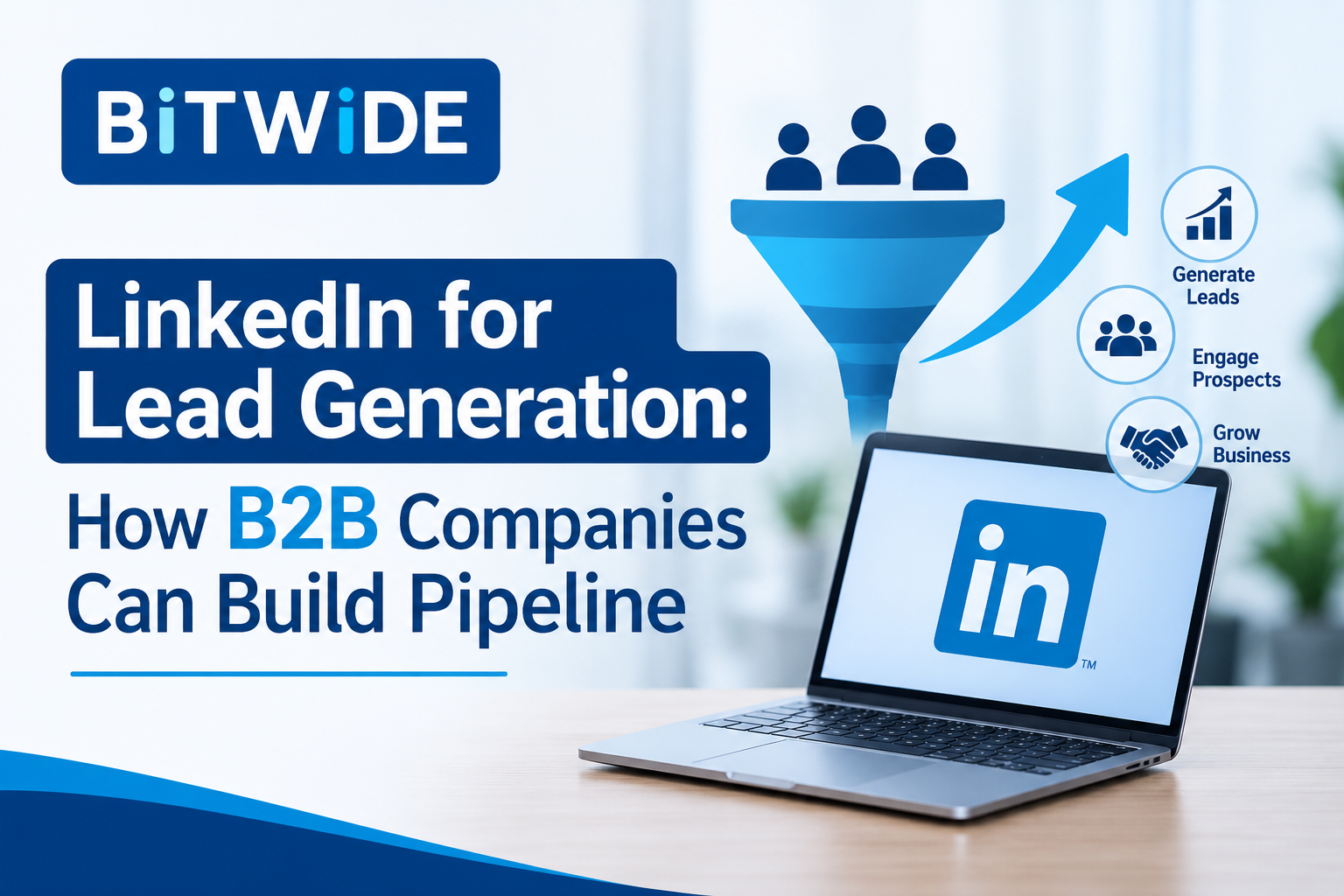
2. Use LinkedIn to Find Decision-Makers
LinkedIn is one of the most useful platforms for finding business contacts. It allows you to search for people based on their job titles, companies, industries, and locations.
You can look for business owners, CEOs, founders, sales directors, marketing managers, and other people who may make buying decisions.
Before sending a connection request, take some time to check their profile. Learn about their current role, company, and work experience. This will help you understand whether they are the right person to contact.
After connecting, send a short and friendly message. Explain who you are and why you want to connect. Avoid sending a sales message immediately. Start with a simple conversation and build a relationship first.
3. Visit Company Websites
Company websites can provide useful information about key employees and business activities. Many businesses share details about their team, management, services, and contact information.
Start by checking the About Us and Team pages. These sections may help you find the names and job titles of important people. You can also visit the Contact Us page to find the company’s official contact details.
Read about the company’s products and services to understand what it does. This information can help you prepare a better message and explain how your service may support its business needs.
4. Use Business Directories and Online Tools
Business directories and online sales tools can help you find companies and their contact details. These platforms often allow users to search by industry, location, company size, and job title.
You can use these tools to create a list of businesses that match your target market. Some tools also provide information about company employees and their professional roles.
However, always check the information before contacting anyone. Job titles and email addresses can change over time. Using correct details helps you avoid sending messages to the wrong people.
5. Use Email Prospecting
Email is a simple way to contact decision-makers directly. It allows you to introduce your business, explain your services, and share how you can help another company.
A good prospecting email should be short, clear, and related to the person’s business needs. Start with a simple introduction and explain why you are contacting them. Then, share how your product or service may solve a problem they face.
Avoid sending the same email to every contact. Try to make each message relevant to the company and the person’s job role.
End your email with a simple next step, such as asking whether they are available for a short call. A clear message can make it easier for people to understand your offer and respond.
6. Attend Business Events and Networking Meetings
Business events are another useful way to meet decision-makers. Trade shows, industry meetings, business conferences, and online events bring professionals from different companies together.
These events give you a chance to introduce your business, learn about other companies, and understand their needs.
When attending an event, focus on having useful conversations instead of directly trying to sell something. Ask simple questions about the person’s work and business goals.
After meeting someone, follow up with a short email or LinkedIn message. This helps keep the connection active and may lead to future business opportunities.
7. Ask for Referrals
Referrals can help you connect with the right people through existing business relationships. Your current clients, business partners, and professional contacts may know other companies that need your services.
You can ask satisfied clients if they know someone who may benefit from your products or services. A personal introduction can make the first conversation easier because the new contact already has some trust in the person who referred you.
Always thank people who share referrals and maintain good relationships with them.
How to Identify the Right Decision-Maker in a Company
Finding a company is only the first step. You also need to understand who is responsible for making buying decisions.
Start by learning about the company’s team structure. Different departments have different needs, so the right contact will depend on what you are selling.
For example, if you offer marketing services, the marketing manager or marketing director may be the right person to contact. If you provide hiring services, the HR manager or head of recruitment may be a better choice.
Common decision-maker job titles include CEO, founder, business owner, sales director, marketing manager, HR manager, operations manager, and purchasing manager.
However, do not depend only on job titles. Some companies have different roles and approval processes. Check whether the person is involved in choosing services, managing budgets, or approving purchases.
This research will help you reach people who understand the company’s needs and can guide you toward the right business contact.
Common B2B Prospecting Mistakes to Avoid
Even with a good plan, businesses can make mistakes during prospecting. These mistakes can reduce replies and waste valuable time.
Contacting the Wrong Person
Sending emails to people who are not involved in buying decisions can lead to poor results. Always check the person’s job role before reaching out.
Sending the Same Message to Everyone
A general sales message may not match every company’s needs. Take time to understand each business and write messages that are relevant to the person you are contacting.
Not Following Up
Some decision-makers may not reply to your first email because they are busy. A polite follow-up can remind them about your message. Keep your follow-ups friendly and avoid sending too many messages.
Not Researching the Company
Contacting a business without knowing what it does can make your message less useful. Visit its website, understand its services, and learn about its possible needs before starting a conversation.
How to Make Your B2B Prospecting More Effective
Good prospecting needs regular effort and proper planning. Start by setting clear goals, such as how many new companies you want to research or how many decision-makers you want to contact each week.
Keep a list of potential clients with their company names, contact details, job titles, and communication history. Update this list regularly so you can keep track of your work.
Focus on finding the right contacts instead of collecting a large number of random names. Use simple and personal messages that explain how your business can help.
You should also track your emails, calls, replies, and meetings. Review your results to understand which methods are working well. If one approach is not bringing good results, make changes and try a different method.
Regular research, clear communication, and proper follow-ups can help you improve your prospecting efforts over time.
Conclusion
Finding the right decision-makers is important for B2B prospecting. Businesses need to connect with people who understand their needs and can make buying decisions.
Using LinkedIn, company websites, business directories, emails, and business events can help you find the right people. It is also important to learn about each company and send clear and simple messages.
By using the right B2B Prospecting Strategies, businesses can save time, build good relationships, find new clients, and grow their business.
Need help finding the right business contacts and growing your business? Contact us today to learn how we can help you reach the right people and find new business opportunities.
Frequently Asked Questions (FAQs)
B2B prospecting is the process of finding businesses that may need your products or services and connecting with the right people.
It helps businesses save time, reach the right contacts, build trust, and improve their chances of getting new clients.
LinkedIn, business directories, company websites, and email tools are useful platforms for finding potential clients and decision-makers.
Check the company’s website, LinkedIn profiles, and team details to find people who manage budgets or make buying decisions.
Businesses can improve results by researching companies, sending personal emails, following up regularly, and keeping their contact lists updated.