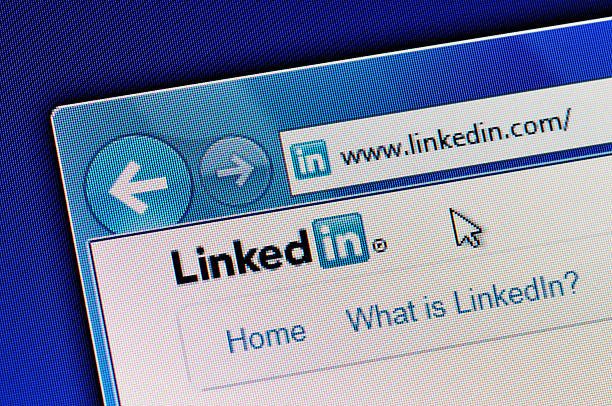
LinkedIn serves as a productive platform for gaining new clientele as well as business associates along with potential consumers of your products or services. However, obtaining leads through LinkedIn requires a bit more than sending a mass message to hundreds of people. Stopping at sending messages may result in people ignoring your messages or removing you from their contact lists.
Generating leads with LinkedIn can be done far more effectively by establishing genuine relationships. You must locate the parties that you wish to connect with and learn about their personal needs while sharing valuable posts and ensuring you initiate simple conversations. Once they have gotten to know you and have figured out that you can be of assistance, chances are that they will turn into leads.
Why LinkedIn Is Good for Lead Generation
LinkedIn is a network where professionals can share their professional experiences, including employment details, industry knowledge, skills, and more. Through this platform, you can find people who might be interested in what you have to offer.
LinkedIn allows extra functionality in searching people with relevant backgrounds. You can search for professionals with different criteria such as their job title, company, industry, or location.
Using this platform you also have an opportunity to demonstrate your skills and knowledge. Through publishing interesting posts and engaging in discussions, you will be able to introduce potential clients to your business before making direct contact with them.
Reach the Right People
The first step is to know who you want to reach. Think about the type of customer who is most likely to need your service.
Candidates can be found by searching for them via the job title, area of specialization or locale. For example, if your service is building business websites, you’re going to target business owners, marketing managers, and company administrators.
Targeting the right people will save your time and allow you not to waste your time contacting every person. Find those who truly need your solutions instead.
Build Trust Before Selling
People do not always want to receive a sales pitch from someone they do not know. Building trust first can make your conversations feel more natural.
Share useful information, answer questions, and take part in discussions. When people see your name and useful posts more often, they may become more familiar with your business.
Create a LinkedIn Profile That Gets Attention

Your LinkedIn profile is often the first thing a prospect sees after receiving your connection request. Make sure it clearly explains who you are and what you do.
Use a Clear Profile Photo
Use a clear and professional photo. Your face should be easy to see, and the photo should match the type of work you do.
A clear photo can make your profile feel more real and help people feel more comfortable connecting with you.
Write a Simple Headline
Your headline should explain what you do and who you help. Avoid using words that are hard to understand.
For example, instead of using a long title filled with business terms, explain your service in a simple way. This makes it easier for a prospect to understand your value.
Add Useful Information to Your About Section
Your About section should explain your work, the problems you solve, and the services you offer. Keep the information simple and focused.
You can also explain what makes your approach helpful. End the section with a clear way for people to contact you if they want to learn more.
Find the Right Prospects
Finding the right people is an important part of getting leads on LinkedIn. You do not need to contact everyone. Focus on people who may need your service.
Know Your Target Customer
Before you search on LinkedIn, decide who you want to reach. Think about their job, business, industry, and needs.
Having a clear idea of your target customer helps you find the right people. Bitwide can also help businesses reach the right audience and improve their online marketing efforts.
Use LinkedIn Search
LinkedIn lets you search for people by job title, company, industry, and location. Use these options to find people who may be a good fit for your business.
It is better to connect with the right people than to send requests to a large number of random users. Focus on people who may need your service.
Check a Prospect Before Contacting Them
Before sending a message, take a little time to look at the person’s LinkedIn profile. Read their job title, check their company, and look at their recent posts if they have any.
This helps you understand what they do and gives you a good reason to start a conversation. A simple and personal message can get a better response than a general sales message.
Send Connection Requests Without Spamming
Your connection request should feel like the start of a professional relationship, not an advertisement.
Keep the Request Short
Keep your request short and clear. Explain why you would like to connect, but do not send a long sales message.
A simple request can be enough. You can start with a shared industry, common interest, or something you noticed about their work.
Make the Message Personal
Personal messages are more useful than sending the same text to everyone. Mention the person’s name and something related to their work when it makes sense.
This shows that you took time to look at their profile. It can also make your message feel more natural.
Start Conversations Before Asking for a Sale
Once someone accepts your connection request, do not immediately send a sales offer. Start a real conversation instead.
Ask Simple Questions
Ask questions related to the person’s work or a problem they may be facing. Keep the questions easy to answer.
For example, if you provide SEO services, you could ask about their current way of getting website visitors. The goal is to understand their needs, not force them into a sale.
Do Not Start With a Sales Pitch
A sales pitch in the first message can make people feel pressured. Give the conversation time to grow.
Listen to what the person says. If they show interest in your service, you can then explain how you may be able to help.
Share Helpful LinkedIn Content
Content can help you generate leads without sending direct sales messages all the time.
Answer Common Customer Questions
Create posts that answer questions your target customers often ask. Explain common problems and give simple tips.
Useful posts can show your knowledge while giving people a reason to visit your profile or contact you.
Share Your Experience
You can also share lessons from your work. Talk about a problem you solved, a result you achieved, or something you learned from a project.
Keep your examples clear and honest. Helpful information can make your business easier to trust.
Avoid Too Much Promotion
Not every LinkedIn post needs to promote your service. If every post is a sales message, people may stop paying attention.
Focus on useful information. You can mention your service when it naturally fits the topic.
Follow Up Without Being Pushy
Following up can help you stay connected with prospects, but it should be done in a respectful way.
Give People Time to Respond
Do not send several messages in a short time. People may be busy and may not have time to reply.
Give them enough time before sending a follow-up. Keep the message short and polite.
Add Value in Your Follow-Up
A follow-up can include a useful tip, answer, or resource related to the earlier conversation. This gives the person a reason to reply.
Avoid sending messages that only say, “Are you interested?” again and again.
Know When to Stop
If someone does not reply or clearly says they are not interested, respect their choice. Do not continue sending messages.
Stopping at the right time helps protect your reputation and keeps LinkedIn conversations professional.
Use LinkedIn Groups to Find Leads
LinkedIn groups can help you connect with people who share an interest in your industry.
Join the Right Groups
Choose groups where your target customers are active. Look for groups related to their industry, job, or business needs.
You do not need to join many groups. A few active and useful groups can be more valuable.
Take Part in Discussions
Answer questions and share useful ideas in group discussions. Avoid posting sales messages repeatedly.
When you help people without asking for something in return, you can build trust and become known as someone who is useful.
Use LinkedIn Recommendations and Reviews
Positive feedback can help new prospects feel more confident about your work.
Ask Happy Customers for Recommendations
If a customer is happy with your service, you can ask them for a LinkedIn recommendation. A real recommendation can help show that other people value your work.
Keep the request simple and polite. Never ask customers to create false reviews or claims.
Show Your Work
You can also share real examples of your work. Explain the problem, what you did, and the result when you have permission to share the details.
This gives prospects a better idea of what you can do for them.
Turn LinkedIn Conversations Into Leads
Not every LinkedIn connection will become a customer. Focus on people who show real interest.
Look for Signs of Interest
A prospect may ask about your service, pricing, process, or results. They may also ask for more information or agree to discuss their needs.
These are signs that the person may be ready for the next step.
Offer the Next Step
When someone shows interest, make the next step simple. You can offer a short call or answer their questions through LinkedIn.
Do not pressure them. Give them enough information to decide if they want to continue the conversation.
Common LinkedIn Lead Generation Mistakes
Sending the Same Message to Everyone
Copying and sending the same sales message to every person can make your outreach feel like spam. Take time to make your messages more personal.
Selling Too Soon
Do not try to sell your service before understanding the prospect. Start with a conversation and learn what they need.
Sending Too Many Follow-Ups
Too many messages can annoy prospects. Follow up in a simple and respectful way, and know when to stop.
Ignoring Replies
When someone replies, read their message carefully. Answer their question instead of sending another sales pitch. A real conversation should go both ways.
Create a Simple LinkedIn Lead Generation Plan
Set Weekly Goals
Create a simple routine for LinkedIn. Spend time finding the right prospects, sending personal connection requests, starting conversations, sharing useful posts, and following up with interested people.
Keep your goals realistic. Quality connections are more useful than a large number of random connections.
Track Your Results
Check how many people accept your requests, reply to your messages, start conversations, and become leads.
This helps you understand what is working. You can then improve your LinkedIn approach over time.
Conclusion
To Generate Leads With LinkedIn, focus on the right people instead of sending many messages. Find people who may need your service, keep your profile clear, and send simple, personal messages.
Share useful posts and have real conversations with people. Follow up politely, but do not send too many messages. If someone is not interested, respect their choice.
The best way to get leads on LinkedIn is to help people, understand what they need, and build trust. If you need help with LinkedIn lead generation, Contact us today.